Holly is a doctoral student at University of Birmingham. Her thesis, The Unspoken Archive: Embodied and Spatial Cultures of Silence investigates how silence functions as an embodied, spatial, and affective presence that shapes personal and collective storytelling, identity and memory. Drawing on creative and critical practice, ethnographic listening and architectural metaphor, it examines how unspoken narratives inhabit bodies, communities and built environments, revealing the tensions between voice, erasure and presence.
Upcoming additional research activity includes:
Presenting two papers for the International Society for Folk Narrative Research 2026 Nature in Narrative conference in Reykjavik.
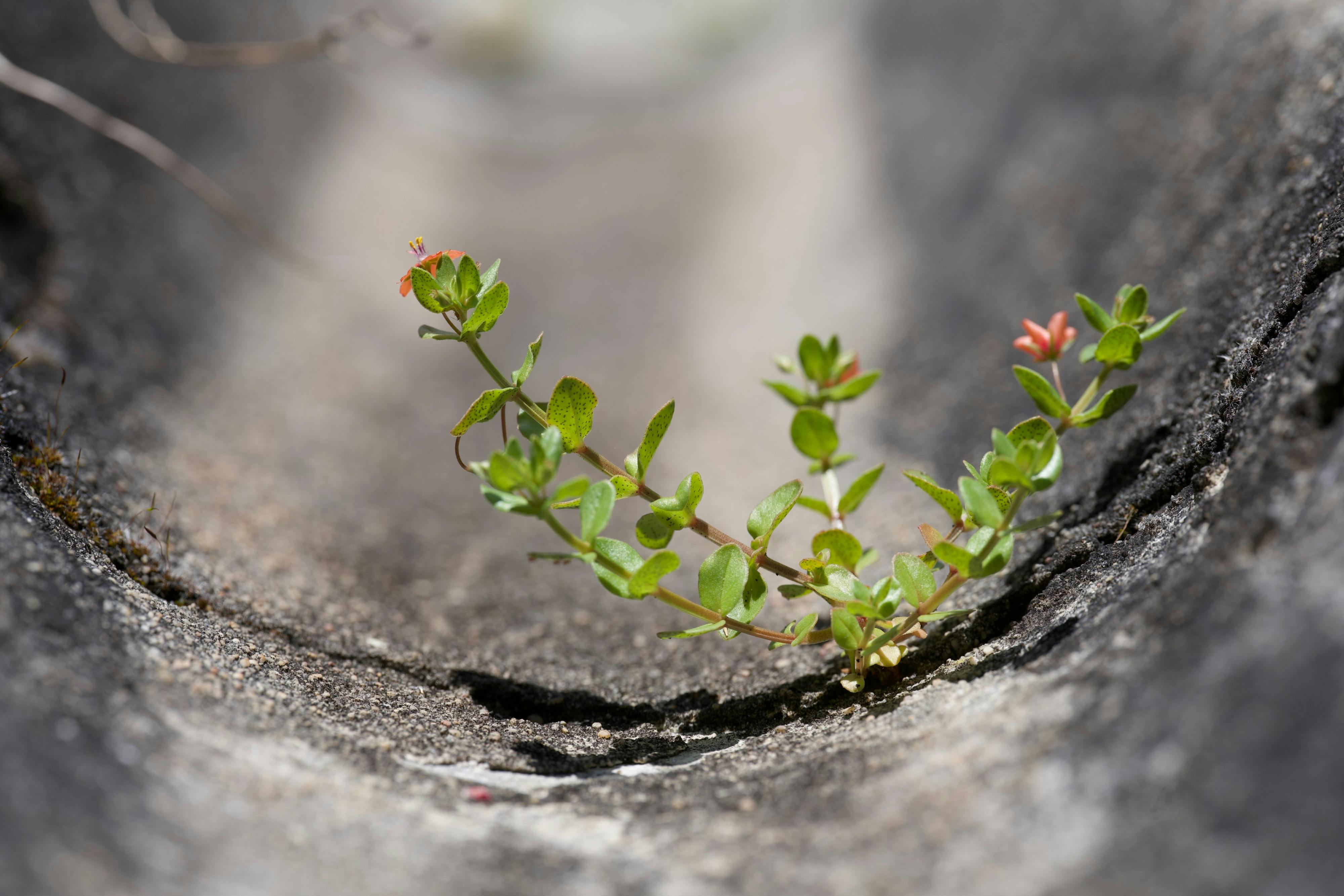
Cracks in the Concrete: Weeds, Memory and Everyday Urban Folklore
This paper examines how overlooked forms of urban nature—such as weeds, moss and wildflowers in cracks—become anchors of memory and narrative. By tracing stories around these micro landscapes, we can explore how the ordinary green disrupts and reshapes urban belonging.
Abstract: Urban nature often hides in plain sight: weeds growing through sidewalks, ivy climbing neglected walls or moss softening stone. These modest presences may seem peripheral, yet they hold narrative and mnemonic power, shaping how people relate to the city. This paper explores how everyday encounters with such micro landscapes generate stories that bridge the human and the nonhuman in urban environments. Drawing on ethnographic interviews and personal accounts, I show how weeds and other overlooked plants become markers of resilience, nostalgia, or transformation—reminders of childhood landscapes, signs of ecological change or emblems of persistence against concrete order. These stories complicate the view of cities as purely human-made spaces, instead revealing urban life as co-constituted by natural presences both cultivated and uninvited. By attending to how people speak about plants in cracks and corners, I argue that urban folklore is deeply entangled with ecological perception and affective experience. Weeds, often dismissed as nuisances, act as storytellers in their own right, rooting memory, emotion and place in the crevices of the city. This perspective not only broadens our understanding of narrative ecologies but also highlights how small, unremarkable forms of nature sustain urban imaginations and attachments.
Holly will present this as part of Panel 21: Between Concrete and Clover: Nature in Urban Storytelling.
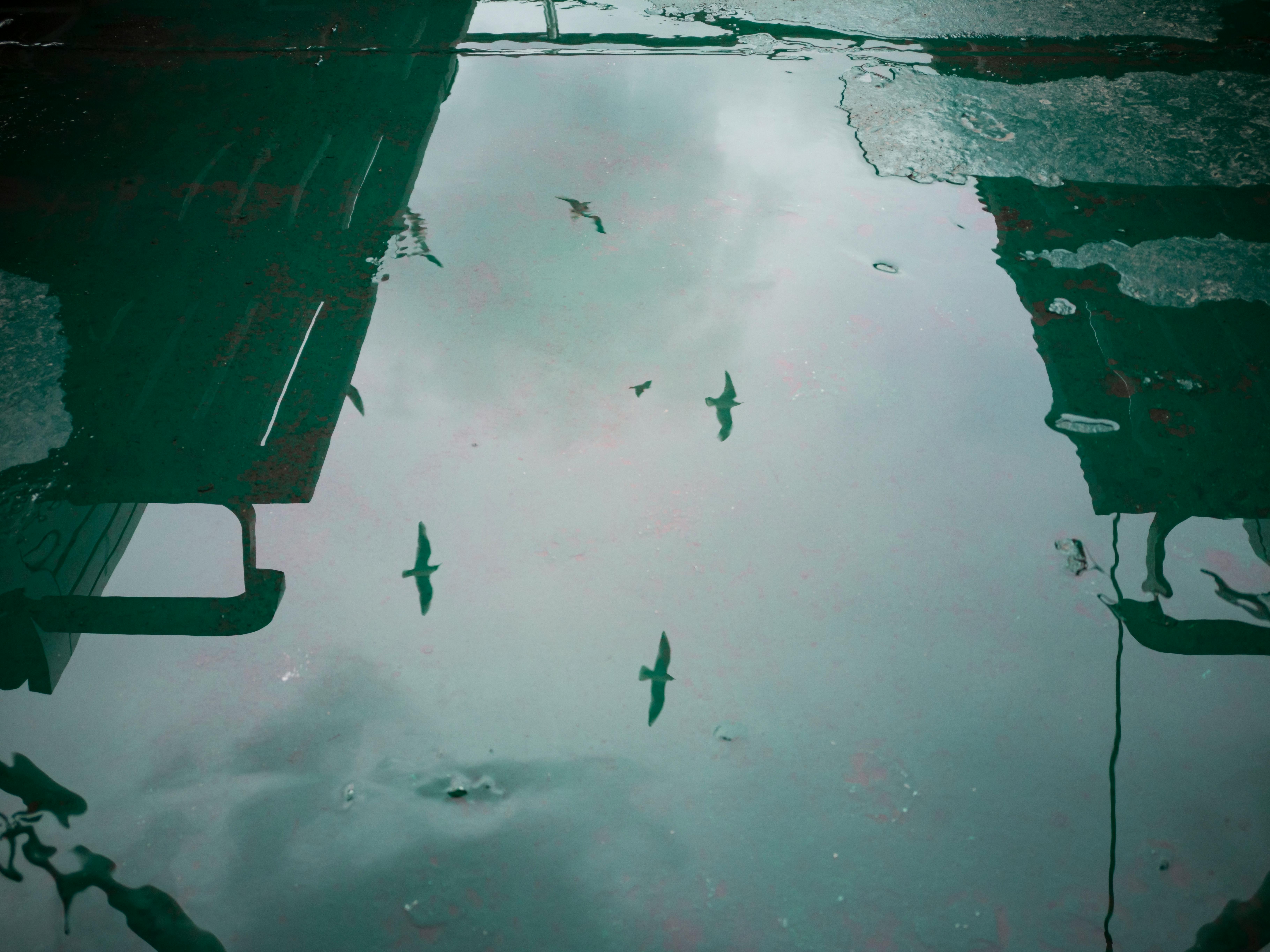
Voices in the Concrete: Bird Calls and Narrative Soundscapes in the City
This paper explores how bird calls shape urban storytelling, layering memory, emotion and place, and contributing to the evolving narratives of city life through sound and imagination.
Abstract:
Urban environments are often framed as spaces of human design and noise, yet they are alive with nonhuman voices that contribute to the city’s narrative fabric. Bird calls, piercing pavements and echoing between buildings, provide a sonic counterpoint to concrete and steel, offering moments of reflection, memory, and affective engagement.
This paper examines how urban birdsong functions as a narrative thread within city life, shaping the way people perceive and remember urban spaces. Through ethnographic observations, soundwalks, and folklore accounts, I explore how the songs of birds become woven into personal and collective stories, influencing emotional and imaginative experiences of the city. Bird calls mark time, punctuate daily routines, and anchor memories, creating a dynamic interplay between natural sound and human narrative.
By focusing on the audible presence of birds in urban storytelling, this study illuminates how nonhuman voices participate in folklore and memory-making, contributing to broader understandings of how urban nature mediates imagination, place, and emotion. It considers how soundscapes, like visual traces of nature, shape the evolving narrative of city life, adding depth and resonance to human experience in urban environments.
Panel 68: Urban Landscape. Session One.
Holly completed her MSc in Creative Writing for Therapeutic Purposes from Metanoia Institute in September 2025, achieving distinction. Her final dissertation speaks to personal resilience as a therapeutic writing practitioner.
I Carried an Ocean: A Heuristic Self-Inquiry into personal resilience
as a Creative Writing for Therapeutic Purposes practitioner, supported by embodiment, Focusing and metaphor.
Holly has also written about embodied trauma and writing therapy for Issue 05 of Lapidus Magazine.
 Holly Winter-Hughes